Retirement: What Retirement?
Ask ten people what retirement means to them and you’ll get ten different answers. I’ve thought about this a lot lately, because I’m 59 now, and it’s stopped being an abstract idea and started being something I can actually count down to.
In my experience, most people fall into a few camps. Some are afraid of retiring because they’re afraid of losing their job — not the paycheck, but the identity that comes with it. Take away the job title and they don’t quite know who they are anymore. Others are afraid of losing the routine itself — the alarm clock, the commute, the structure that’s shaped every weekday for thirty or forty years. Take that away and the days feel shapeless. And then there are people who see retirement as the end of something — the last chapter, a slow wind-down, the beginning of the part of life where nothing much happens anymore.
I don’t fall into any of those camps. For me, retirement is the beginning of a new chapter — a chance to take back control of my life after decades of it being shaped by work, routine, and other people’s schedules.

The Small Things I’m Looking Forward To
What I look forward to most isn’t a big list of plans. It’s small things, done without a clock running.
It’s having my nieces and nephews come to visit with their parents, and actually having the time to enjoy them instead of counting down to when I need to be somewhere else. If they’re coming for Christmas, I want to be the uncle who’s already spent unhurried weeks in the workshop building them a crib for the nativity, just because I could, not because I squeezed it in between shifts. It’s sitting over a coffee with Lesley, just the two of us, with nowhere we need to be next — nobody chasing us, no clock on it. It’s meeting people and not having that low hum of “I need to wrap this up soon” running underneath the conversation. It’s finally having the time to experiment properly in the kitchen — I’ve been wanting to get serious about baking my own bread, the kind of thing you can’t rush and shouldn’t try to.
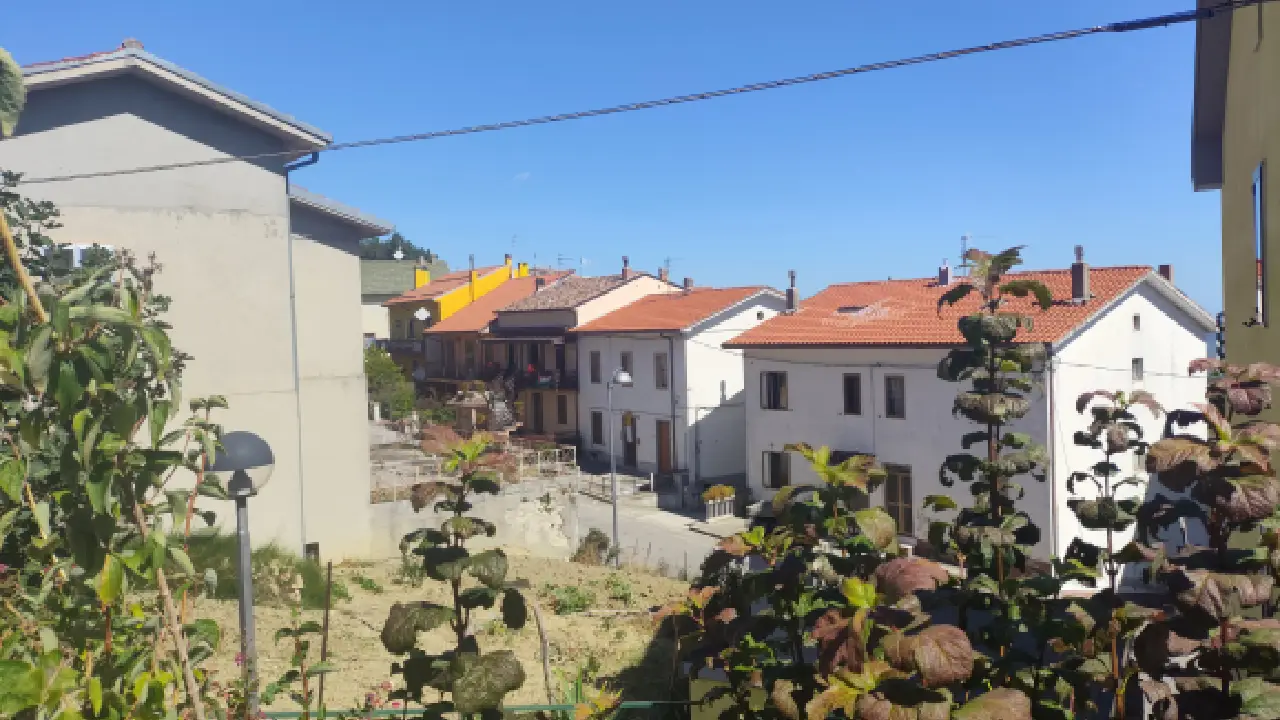
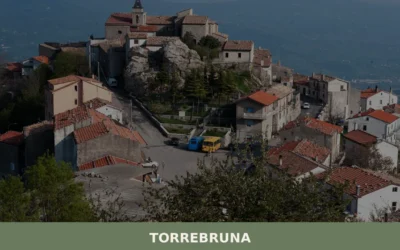
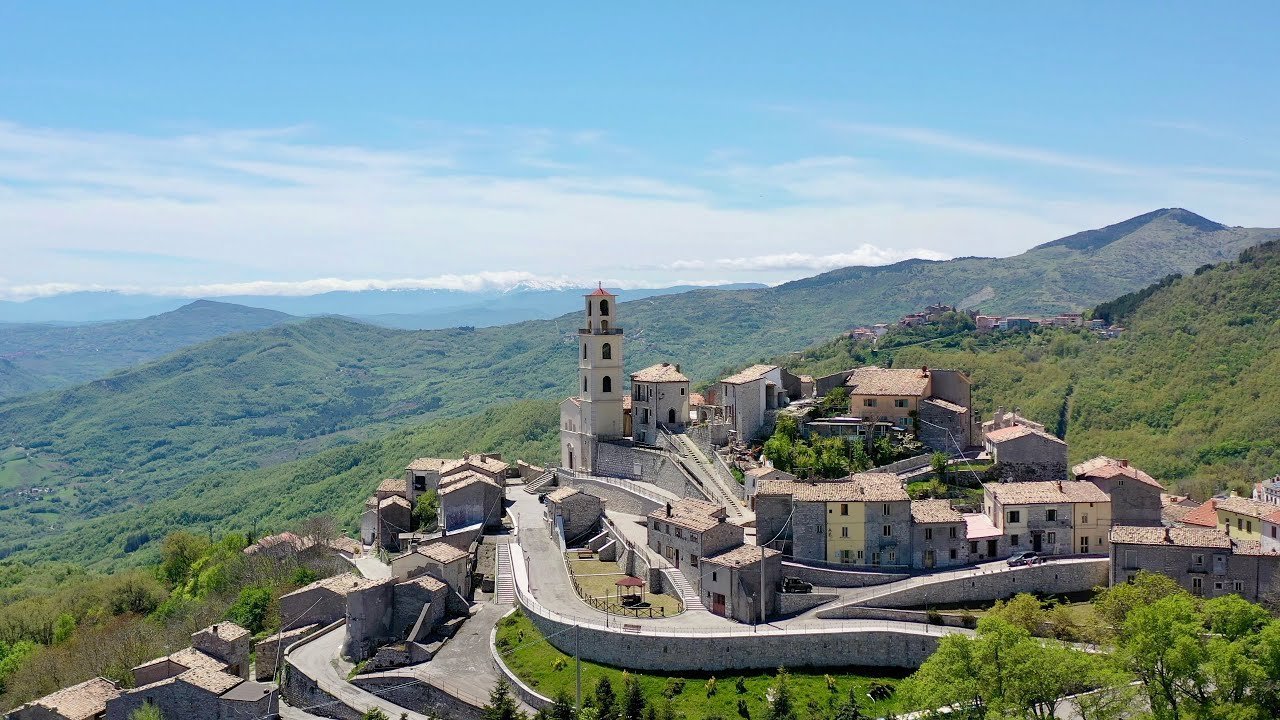
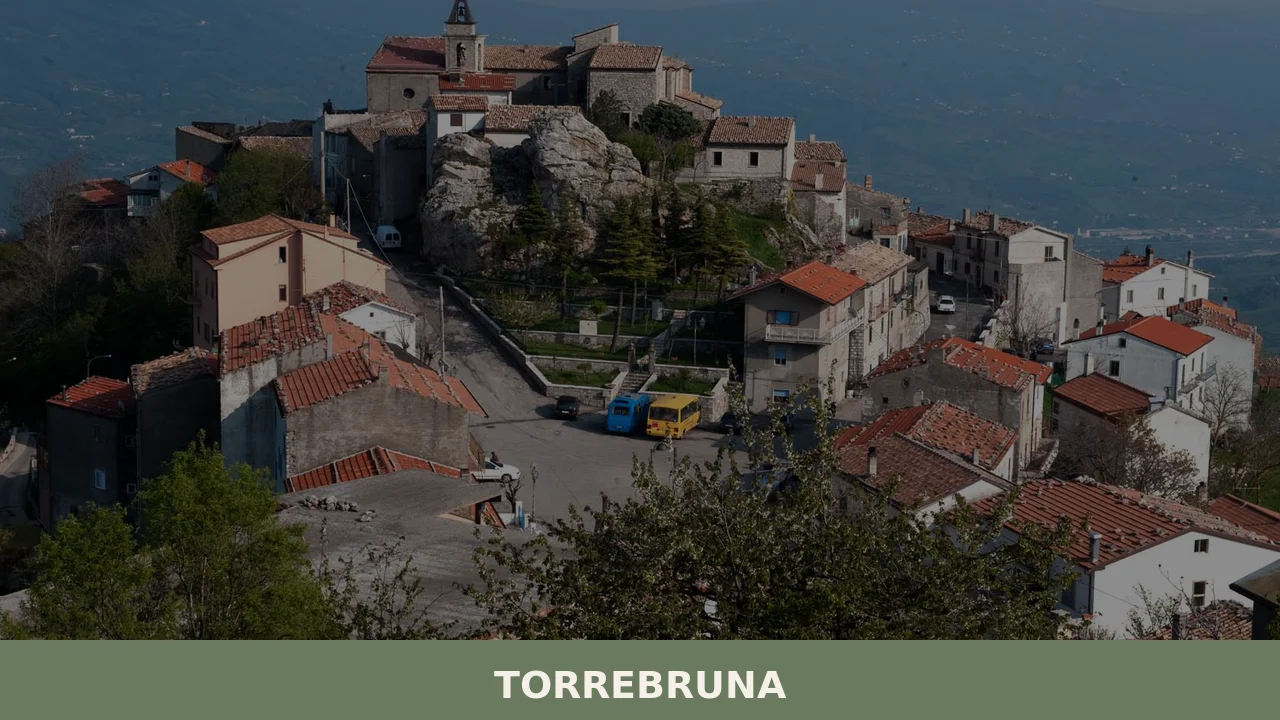
And underneath all of that is the life I actually want: a dog, a few chickens, a small vegetable garden. That’s a big part of why Torrebruna appealed to us in the first place — it’s the kind of place where that life is actually possible.
Finding a New Hobby in the Mountains
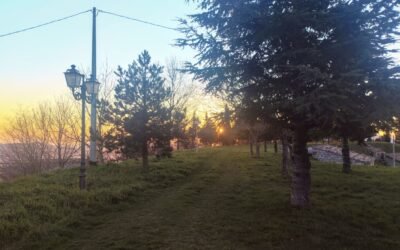
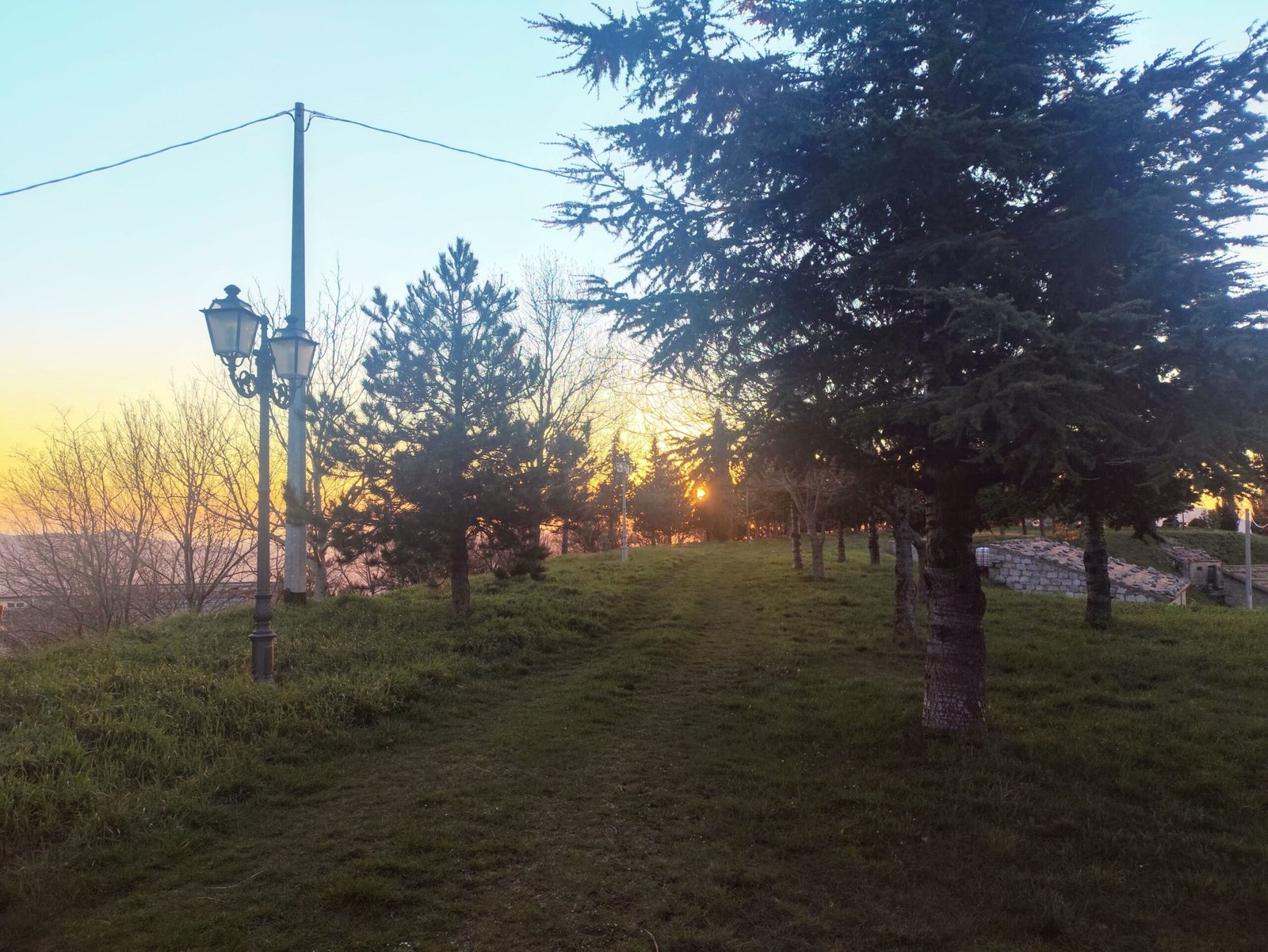
Part of what makes Torrebruna feel right for this next chapter is what’s outside the door. Snow-tipped mountains for most of the year, pine woods that climb the hillsides in every direction, and wild animals that seem completely unbothered by having us there. It’s the kind of place where you can walk for an hour in the fresh air and not see another person — just the wind through the trees and, if you’re lucky, a deer disappearing into the treeline before you’ve even reached for a camera.
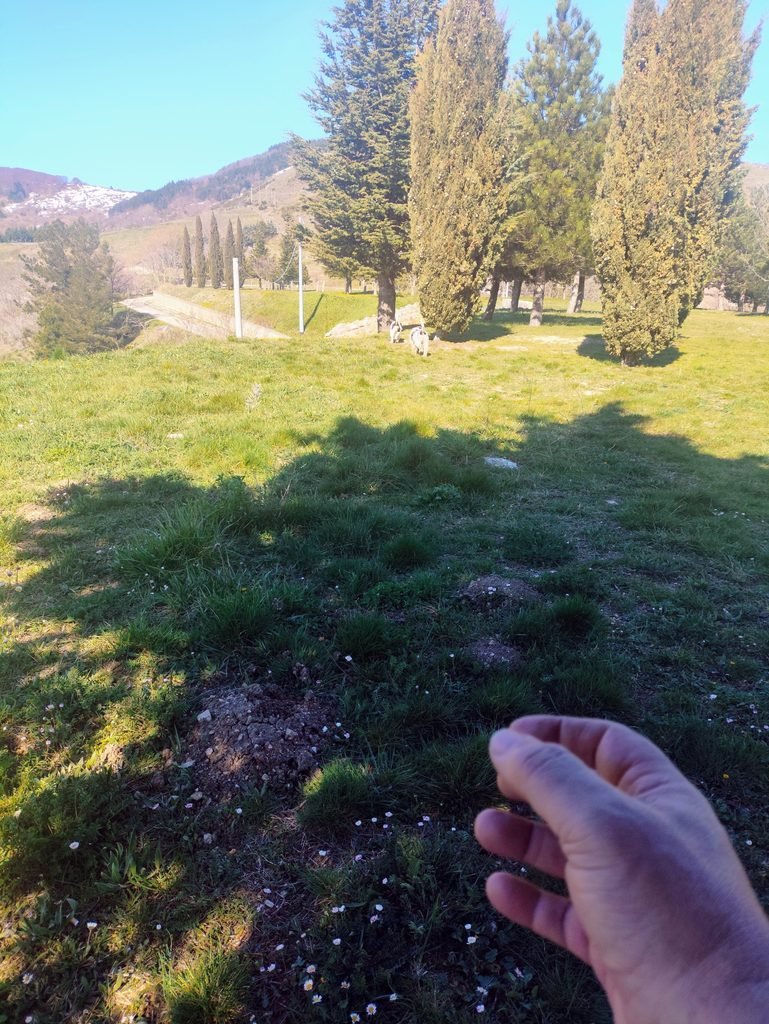
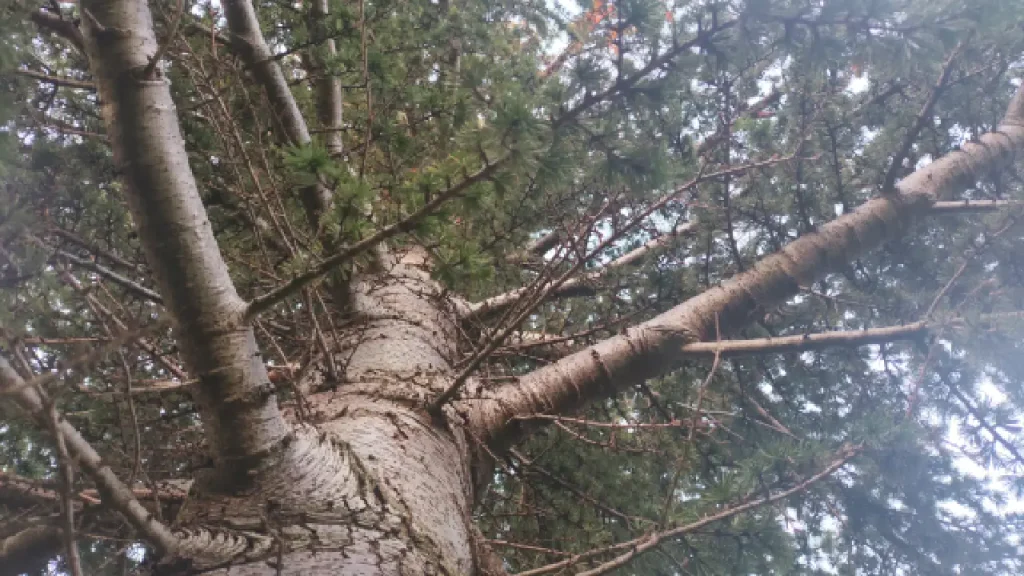
That’s exactly why I’ve decided to take up photography once we’ve settled in for good. I’ve never been much of a hobbyist — work, family, and the day-to-day of life in Malta never really left room for picking up something new just for the joy of it. But retirement changes that equation. For the first time, I’ll have the time to actually stand still somewhere beautiful and pay attention to it, rather than walk past on the way to somewhere else.
What I’m hoping to capture isn’t just postcard shots of mountains, though there’ll be plenty of those. It’s the walks themselves — the ones we take because we finally can, not because we’re squeezing them into a weekend. It’s whatever wildlife is patient enough to let me get the shot. It’s the changing light on the pine woods through the seasons, the first snow on the peaks, the paths we’ll come to know so well we could walk them with our eyes closed. In a way, picking up a camera here is just an extension of everything else in this new chapter — slowing down, taking back control of our time, and actually noticing the life we’re building instead of rushing through it.
Riserva Naturale Regionale Cascate del Verde (About 40km from Torrebruna)
Putting a Number on the Time I Have Left
Here’s how I think about it practically. Say you live to 80. That’s 960 months. I’m 59 as I write this, which works out to 708 months lived. 960 minus 708 leaves 252 months — give or take, since none of us know the real number, and it could be more or it could be less. But putting a number on it changes something. It’s not morbid, it’s clarifying. 252 months isn’t a small number, but it isn’t infinite either, and I don’t want to spend a big chunk of it waiting for “someday” to relax.
Final Thought
That’s really what “Retirement: What Retirement?” is asking, for me. Not “will I be bored,” but “what am I actually going to do with the time I have left, and why am I waiting?” For Lesley and me, the answer is Torrebruna — the dog, the chickens, the garden, the unhurried coffees, the crib in the workshop, the bread proving on the counter, and a camera in hand on the mountain paths. We haven’t made the move yet, but every month that passes is one we’re not getting back, and that’s exactly why we’re not waiting any longer than we have to.
If you’re somewhere in the middle of thinking about your own retirement — whichever camp you fall into — I’d love to hear how you’re picturing it. Drop a comment below.