


Decision to Move Abroad Pt.2 — Finding Out If We’d Actually Fit

Picking Up From That “Yes”
Lesley’s “yes… maybe we should” didn’t come with a plan attached. It could have faded back into ordinary life once the holiday feeling wore off. It didn’t.
I couldn’t let the idea drop. And turning a feeling into an actual decision meant doing the unglamorous part: real research, not just fond memories of L’Estartit.
As EU citizens, relocating within the Union is legally straightforward. That part, at least, wasn’t going to trip us up. What worried me was everything else — whether we’d actually fit, day to day, once the holiday was over and real life started.

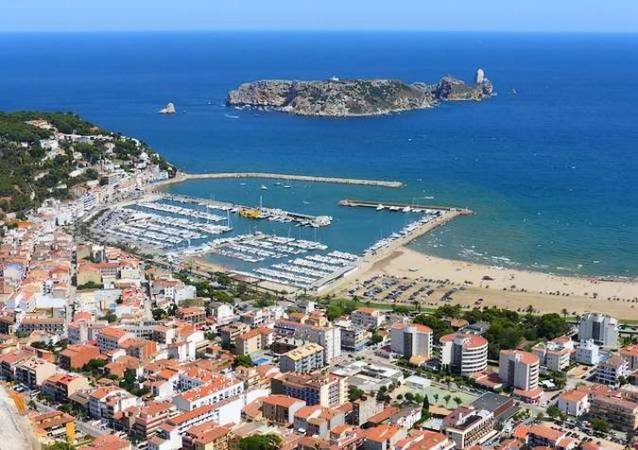
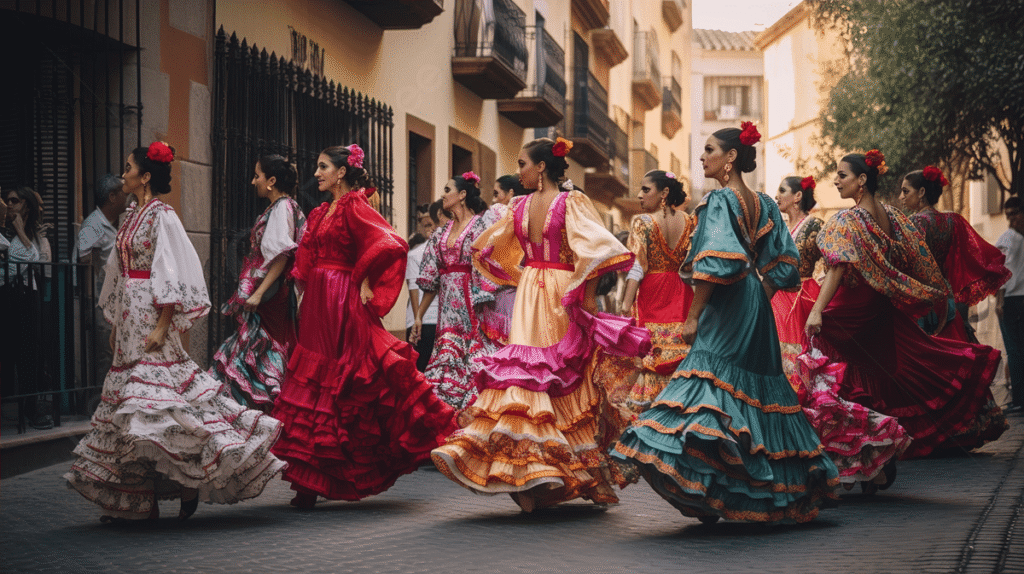

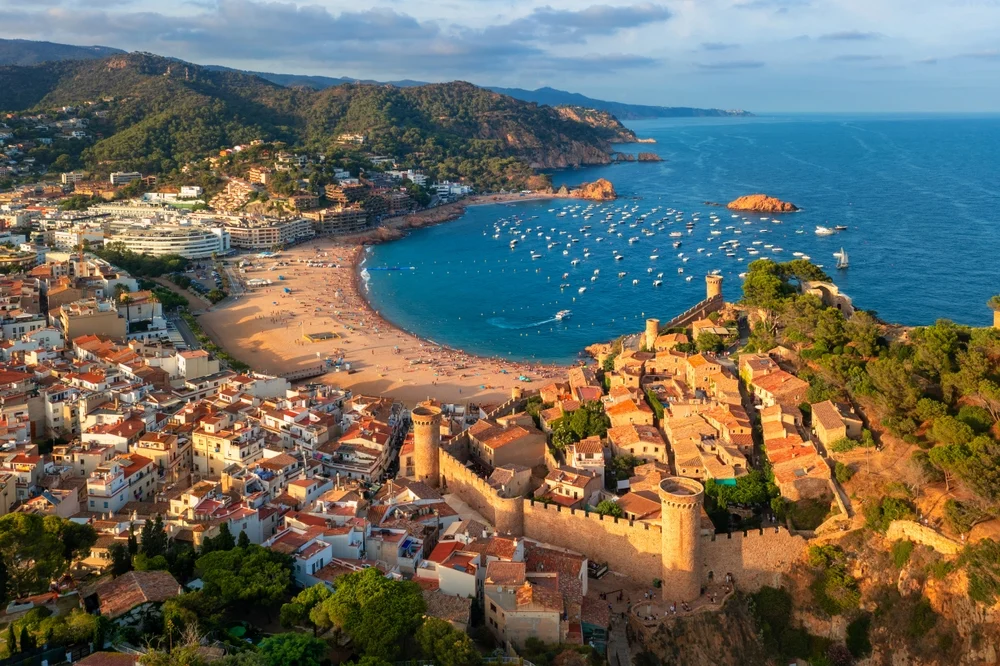

Where I Actually Went Looking
I’m not the type to just wing something this big. I needed real answers, not holiday impressions:
Would we actually fit into the culture, or just enjoy visiting it? Could I learn enough Spanish to get by, or would I be relying on Lesley and hand gestures forever? What did life really cost, once you strip out the tourist prices? How good was the healthcare, if we ever needed it?
YouTube did more for me than any brochure or agency website. I went looking for people who’d already made the jump and were talking honestly about it — daily vlogs, supermarket walkthroughs, people complaining about bureaucracy, people raving about the lifestyle. Some of it was rose-tinted. Some of it was one bad landlord away from bitter. Sorting the two apart was most of the work.
One thing came up again and again, from almost everyone: learn the language, or you’ll always be on the outside looking in. I nodded along to that from my sofa in Malta. I didn’t really understand it yet.
The Language Problem I Didn’t See Coming
Then it stopped being a YouTube talking point and became something someone told us to our face.
I don’t think Spaniards or Catalans are particularly keen to try English, even in the touristy parts. It’s not rudeness — it’s just not the automatic reach it is in some other parts of Europe. Fair enough, I thought. We were on holiday. We could point at a menu.
Then someone with actual first-hand experience told us plainly: if we ever bought property there, we’d need to bring our own translator. Not as a nice-to-have. As a necessity. Nothing gets translated for you — not the paperwork, not the notary appointment, none of it. You either understand what you’re signing, or you find someone who does.
That one warning did more to sober me up than anything else in this whole process. It wasn’t a dealbreaker on its own. But it was the first proper crack in the idea that this could all be smooth and easy just because we’re EU citizens. Learning Spanish stopped being “it’d be nice” and became “we actually have to.”

Culture: The Part No Checklist Covers
Legal requirements are a checklist. Culture isn’t. That’s what made it harder to research, and more important to get right.
What we kept coming back to was how familiar so much of it felt — the pace, the way family sits at the centre of everything, evenings that run late without anyone apologising for it. Being EU citizens gave us the right to move. It didn’t guarantee we’d feel at home once we got there. That’s a different question entirely, and the language warning made it a more urgent one.
[banner image]
The Legal Side, Stripped Down
Once the emotional side felt settled enough, I sat down and actually worked out what moving would require on paper. As EU citizens, it’s genuinely straightforward — a relief, honestly, after the language wobble.
Here’s what it comes down to:
Entry — a national ID or passport, nothing more. Padrón registration — you register your address at the local Ayuntamiento. NIE number — your Número de Identificación de Extranjero. You’ll need this constantly. EU residency certificate — register as a resident within three months of arriving. Healthcare cover — proof of public or private insurance. Financial means — proof of income or savings if you’re not working. Tax residency — spend 183+ days a year in Spain and you become a tax resident.
None of it worried me the way the language issue did. It’s paperwork. Paperwork can be done. Fitting in, understanding people, being understood — that’s the part that takes actual work.
What Research Actually Gave Us
I’m not going to pretend research alone makes a decision like this easy. It doesn’t. But it strips away the guesswork, and it means you go in with your eyes open instead of just chasing a holiday feeling.
By the time we’d worked through all of this — the vlogs, the legal checklist, the language warning — Spain still felt like the right answer. Not a naive one. A properly considered one.
Useful Links
Spain Government & Legal Requirements
- Live in Spain – official Spanish government portal for EU citizens: https://www.inclusion.gob.es/en/web/migraciones/vivir-en-espana
- Your Europe – Residence rights when living abroad in the EU: https://europa.eu/youreurope/citizens/residence/residence-rights/index_en.htm
- Your Europe – Income taxes abroad: https://europa.eu/youreurope/citizens/work/taxes/income-taxes-abroad/index_en.htm
Healthcare & Insurance
- The healthcare system in Spain – Expatica: https://www.expatica.com/es/healthcare/healthcare-basics/healthcare-in-spain-101467/
- Your Europe – European Health Insurance Card (EHIC): https://europa.eu/youreurope/citizens/health/unplanned-healthcare/ehic/index_en.htm
Cost of Living & Economic Data
- OECD – Purchasing Power Parities: https://www.oecd.org/en/data/indicators/purchasing-power-parities-ppp.html
- Eurostat – Comparative price levels of consumer goods and services: https://ec.europa.eu/eurostat/statistics-explained/index.php?title=Comparative_price_levels_of_consumer_goods_and_services
What Comes Next
Everything I’d found pointed the same way: Spain was workable, but it wasn’t going to be effortless. The language warning in particular stuck with me — enough that when it came time to actually look at property, it was the first thing on my mind.
Part 3 picks up there: what property hunting actually looked like, and why that translator warning turned out to matter even more than we expected.
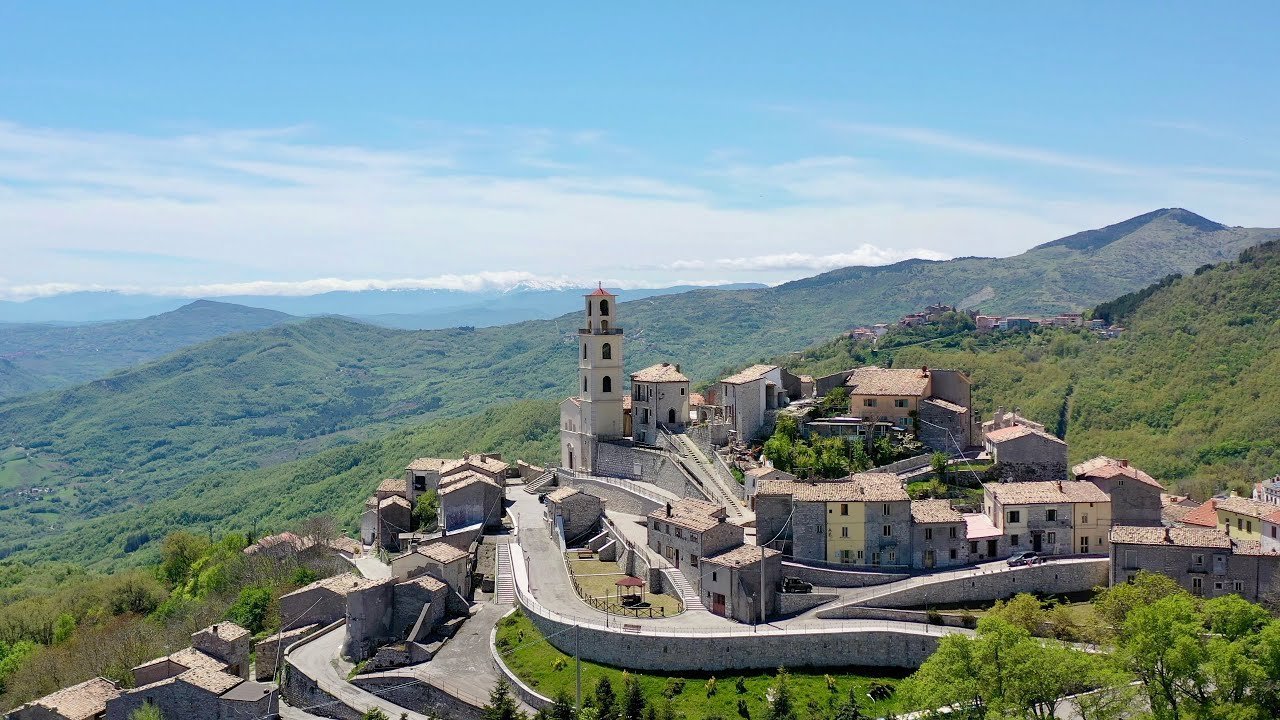
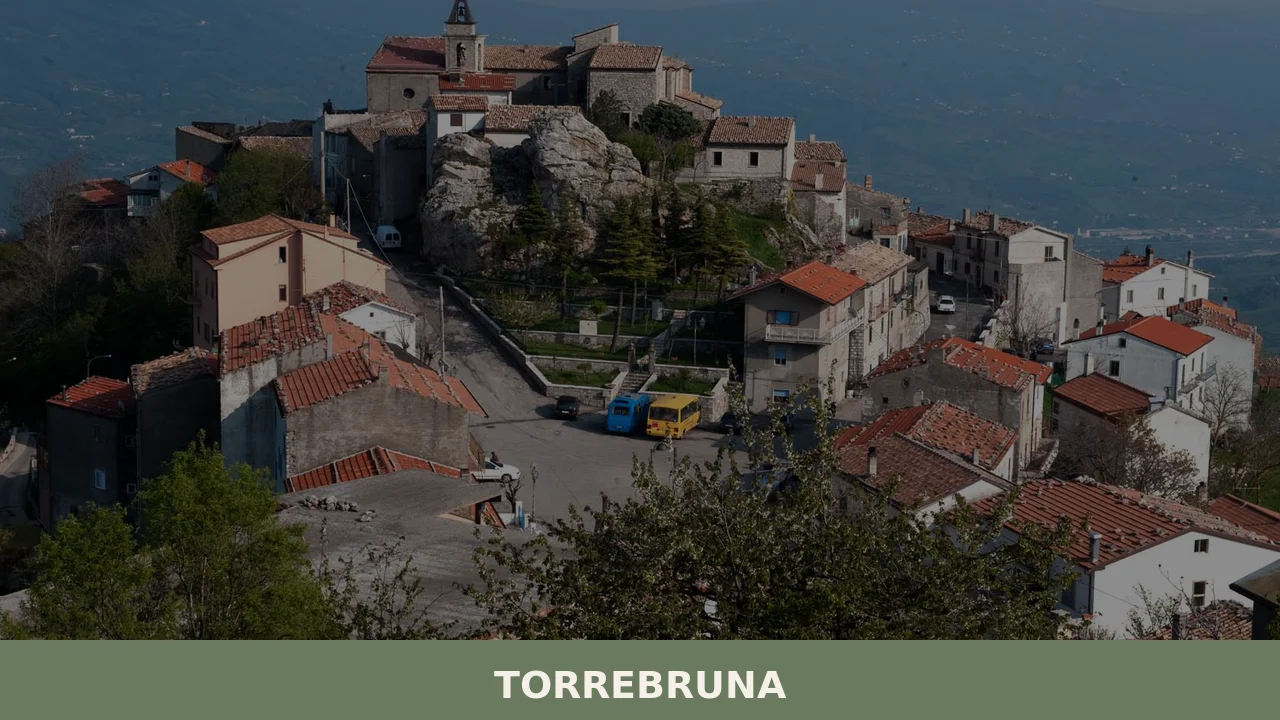
I am still in love L’Estartit. But love Torrebruna more xxx