

Introduction: When holidays become something more.
Moving abroad for retirement
Moving abroad for retirement is rarely a sudden decision. In my case, it was something that began very quietly—most of the time it happens during a holiday, a moment of calm, or a place that unexpectedly feels like home. For us, that place was l’Estartit, a small coastal town on Spain’s Costa Brava. What started as a simple getaway slowly became a recurring destination, then a point of emotional attachment, and eventually the spark that made us consider a permanent move abroad.
As citizens of a European Union member state, relocating to another EU country is not only possible but supported by the principles of free movement. Yet, even with that advantage, the emotional, cultural, and practical considerations remain significant. This chapter of our journey explores how repeated visits to Spain shaped our thinking, how YouTube became an unexpected research tool, and how AI helped us understand the legalities of moving within the EU.

l’Estartit: The Haven That Started It All
Moving abroad for retirement




The haven that started it all, a place called l’Estartit, a place that quickly became more than a holiday spot. Each visit felt like returning to a familiar atmosphere—the kind of place where the sea breeze carries a sense of belonging, and the marina lights feel like old friends welcoming you back.
The magic of l’Estartit is not just in its landscape but in its rhythm. Days unfold gently, mornings begin with soft sunlight over the Mediterranean, and evenings settle into a warm glow that makes you forget the outside world. It was impossible to be bored with the place. The only difficulty was the moment we had to leave, to return to the routine.
Over time, we built small traditions:
- A favourite bar where the staff began to recognise us
- A familiar walk along the promenade
- And, ironically, our favourite restaurant—San Marino, an Italian gem in the heart of Spain
We visited nearby towns, like Torroella de Montgrí, Pals, L’Escala and Besalú, explored markets, and observed how people lived beyond the tourist areas. But no matter how much we tried to immerse ourselves, it was still a holiday. The element of fun was always present, and the responsibilities of everyday living were absent.
That’s when the realisation struck: we needed more than observation—we needed real information.
My suggestion is that if you are visiting l’Estartit, you should also visit these places and Girona, of course. I will mention Girona later on in this blog.
Torroella de Montgri flea market



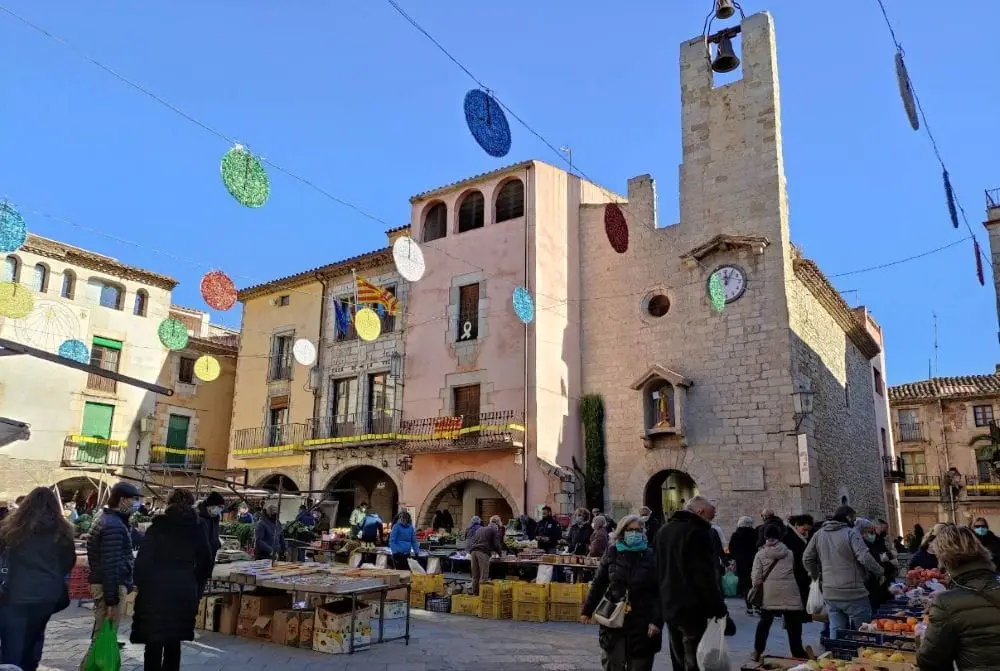

In my opinion, the flea markets reflect or have a lot of impact on the culture of the country
Pals





L’Escala


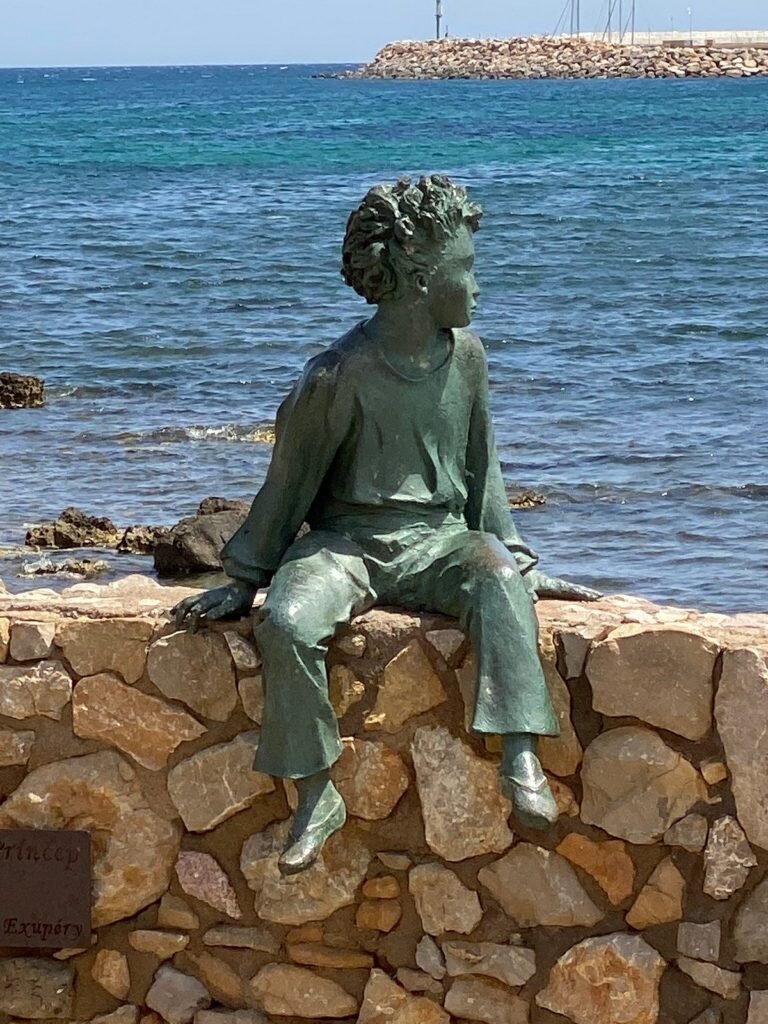

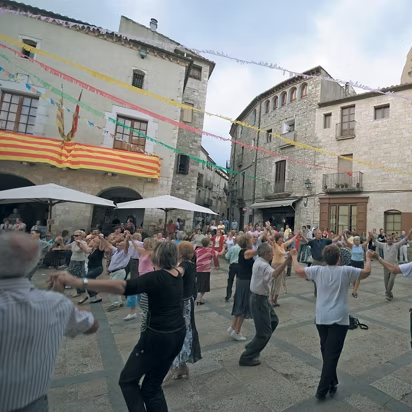
Besalu




Turning to YouTube: A Modern Window Into Real Life
Frequent travelling to L’Estartit made me want to be there more and more; however, something deep inside me told me that this was not enough for the simple reason that this always ended up being a holiday experience, not that I have anything to complain about, but I needed something more. I needed to be there, not a holiday but real life. I wanted to know more; I still had questions:-
- Am I compatible with this culture ?
- What about the language? Am I able to speak Spanish?
- Cost of living?
- Healthcare?
With today’s digital world, there is no lack of information, and that really came in handy. In my case, the most used tool was YouTube. I wanted real people’s experiences, sharing their own experiences about the cons and pros of moving to a new country. Below are some tips on what I searched for
- Daily vlogs from expats living in Spain
- Walkthroughs of supermarkets and local shops
- Honest discussions about cost of living
- Videos about Spanish culture, religion, and social norms
- Real stories about challenges and successes
Obviously, I got this information from different vloggers, and the beauty of this is that some of them were positive, some were overly critical, and some, in my opinion, the less trustworthy, seemed to complain about everything. This is where you need to evaluate every vlog and then draw your own conclusion very carefully.
One message appeared consistently: Speaking Spanish opens doors.
It’s not just about communication—it’s about respect, integration, and connection. And that hits home for me.
Cultural Compatibility: A Key Ingredient for a Successful Move Abroad
Culture is the heartbeat of a country. And when you’re considering spending the rest of your life somewhere, cultural compatibility becomes essential.
Spain’s culture felt familiar to us:
- Warm, family‑oriented communities
- A relaxed Mediterranean pace
- A lifestyle centred around social connection
- Values that aligned with our own
As EU citizens, we have the privilege of moving freely within the Union. But privilege alone doesn’t guarantee happiness. Cultural alignment does.
Spain didn’t feel foreign—it felt relatable. And that matters. Because no matter how beautiful a country is, if you don’t feel aligned with its culture, you will always feel like an outsider.
From everything we observed and researched, it became clear that many people who moved to Spain were genuinely happy with their decision. And that gave us confidence.
Understanding the Legalities: What AI Helped Us Discover
When the emotional side of moving abroad aligns, the next step is tackling the practical side—the legalities. Fortunately, moving from one EU member state to another is supported by the principle of free movement, making the process significantly easier than moving outside the EU.
Here’s the summary of what we learned through AI research:
Entry with ID/Passport
Legal Basis: EU free movement
Requirement: Travel freely to Spain with your national ID or passport.
Padrón Registration
Legal Basis: Municipal law
Requirement: Register your address at the local Ayuntamiento (town hall).
NIE Number
Legal Basis: Spanish tax/administrative law
Requirement: Obtain your Número de Identificación de Extranjero for all official processes.
EU Residency Certificate
Legal Basis: Royal Decree for EU citizens
Requirement: Register as a resident within 3 months of arrival.
Healthcare Coverage
Legal Basis: EU & Spanish law
Requirement: Provide proof of public or private health insurance.
Financial Means
Legal Basis: EU Directive 2004/38
Requirement: Show income or savings if you are not working.
Tax Residency
Legal Basis: Spanish tax law
Requirement: You become a tax resident after spending 183+ days per year in Spain.
These steps gave us a clear roadmap. The process wasn’t overwhelming—it was structured, logical, and manageable. And being EU citizens made the journey significantly smoother.
Final thoughts
Deciding to move abroad is never simple. It’s a life‑changing choice that deserves careful thought, because the outcome can shape your future for better or for worse. The most valuable tool you have at this stage is research. Take your time, explore every angle, and use the internet to its fullest potential. There is an incredible amount of reliable information available online—insights, experiences, guides, and real stories—that can help you make informed decisions and avoid unnecessary surprises. With the right research, you give yourself the best chance of building a life that truly fits your goals and expectations.
In the next blog, we will be looking at property and what to look out for when negotiating. See you soon.