
The Emotional Journey of Moving Abroad — What It Actually Felt Like
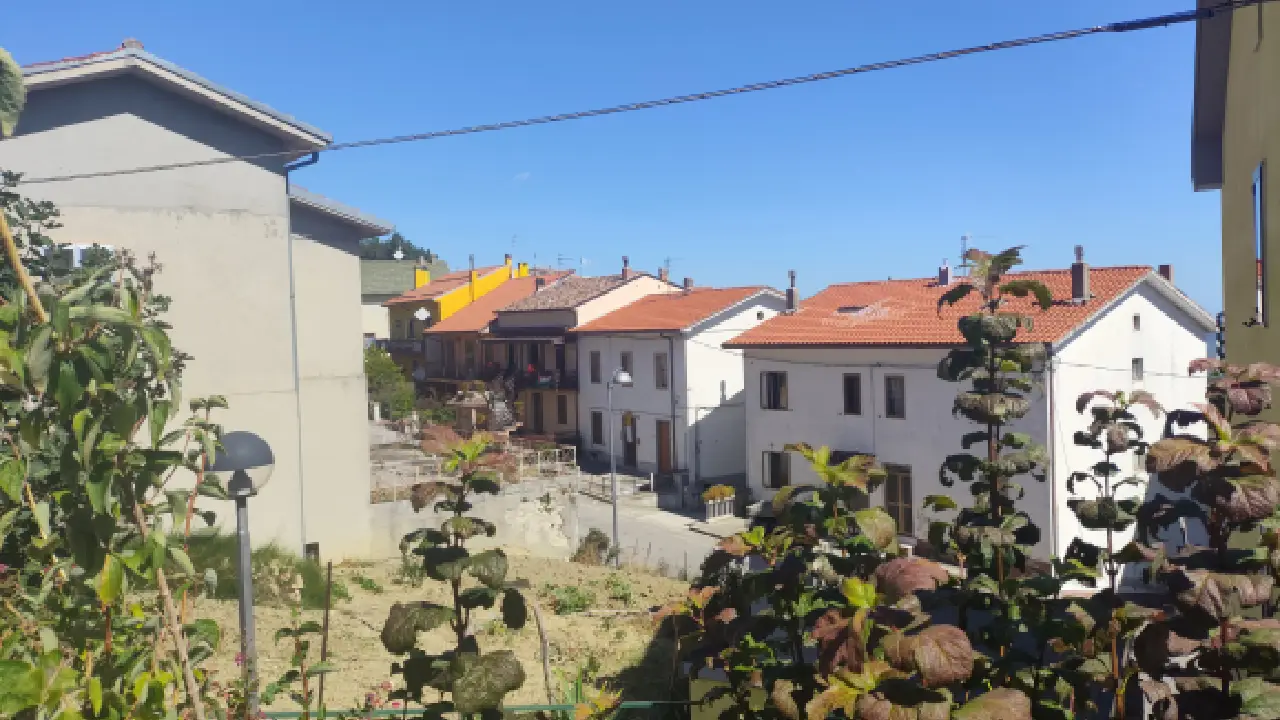

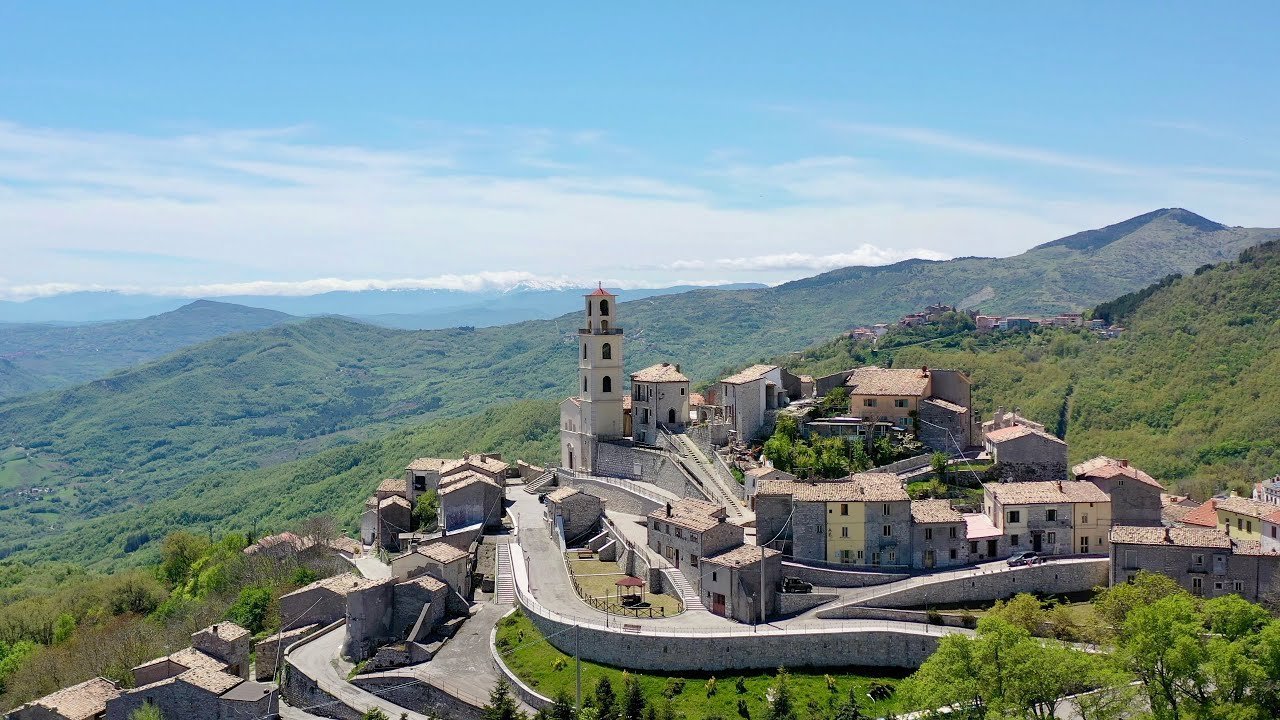
If you’ve read the other posts on this blog, you already know what happened: a holiday in L’Estartit, years of research, a property in Carunchio that fell through, and eventually a house in Torrebruna. This post isn’t about any of that. It’s about the part that doesn’t show up in a timeline — what it actually felt like to live inside a decision for the better part of ten years before it was finished.
The feeling has no name, and it doesn’t arrive on schedule
People ask what it “felt like” to decide to move abroad as if there was one moment. There wasn’t. The closest thing to a beginning was a comment I made half-joking on a balcony, and Lesley’s answer wasn’t excitement — it was something quieter. “Yes… maybe we should.” Neither of us treated it like a decision at the time. It didn’t feel big. It felt like the kind of thing you say and then either forget or don’t.
I didn’t forget it. That’s really the only thing that separates a passing thought from an actual life change — not the size of the feeling, but whether you let yourself keep having it.
Loving somewhere you’re not from is its own kind of confusing
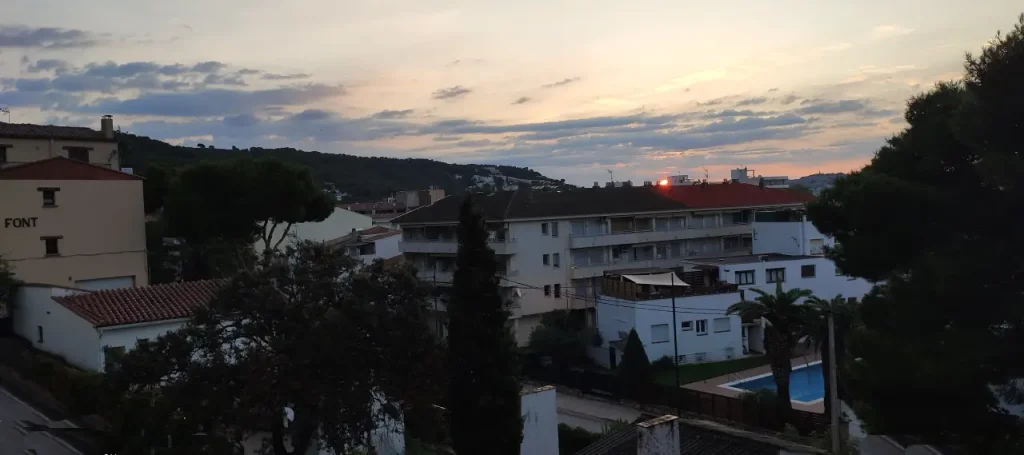
For years, most of that feeling pointed at Spain, not Italy. We’d made real friends in L’Estartit — people we still talk to now, over Facebook, years later. I used to hear expats in Malta say “you either love it or you hate it” about my own country, and it took me a long time to realise that’s exactly how I felt about Spain too, just from the other direction. There’s a particular kind of disorientation in loving a place you’re only ever a visitor in. You start measuring your real life against your holiday self, and your real life rarely wins that comparison.
That feeling is the reason Spain nearly became the whole story instead of a chapter in it. I don’t think that would have been the wrong outcome — it just isn’t the one we ended up with, for reasons that had more to do with budgets and villages than with how we felt.
Doubt doesn’t feel like fear — it feels like tiredness
I expected the hard part of this to be fear. It wasn’t. Fear is dramatic; it announces itself. What actually wore us down over the years was something much duller — the sheer tiredness of looking, comparing, half-deciding, and starting again. Every near-miss along the way (and there were a few — we’ve written about those elsewhere) didn’t feel like failure in the moment. It felt like fatigue. You stop asking “is this the right country” and start asking “can I look at one more listing tonight.”
If nobody’s told you that part, I’m telling you now: the emotional cost of moving abroad isn’t mainly dread. It’s attrition.
Trusting a “no” you can’t explain
At one point Sicily made almost too much sense — a short flight from Malta, no language barrier for me, a place we already knew a little. I turned it down anyway, on nothing more than a feeling I couldn’t justify to anyone, including myself. That’s an uncomfortable position to be in when you’re a practical person making a six-figure decision. But it turned out to matter. Learning to trust a feeling you can’t defend on paper was its own small, strange growth — not one I expected to get out of house-hunting.
Losing a place you’d already pictured yourself in
We came close to buying in Carunchio before Torrebruna ever entered the picture — that part of the story is told properly elsewhere on this blog. What I want to say here is just what it felt like: we had already, quietly, started picturing ourselves there. Not seriously, not out loud, but enough that when it fell through, it didn’t feel like nothing happened. It felt like losing something, even though technically we’d never had it.
I think that’s underrated as an emotion connected to moving abroad — grieving a version of your future that never actually existed
The emotion nobody warns you about: owning it and not living in it
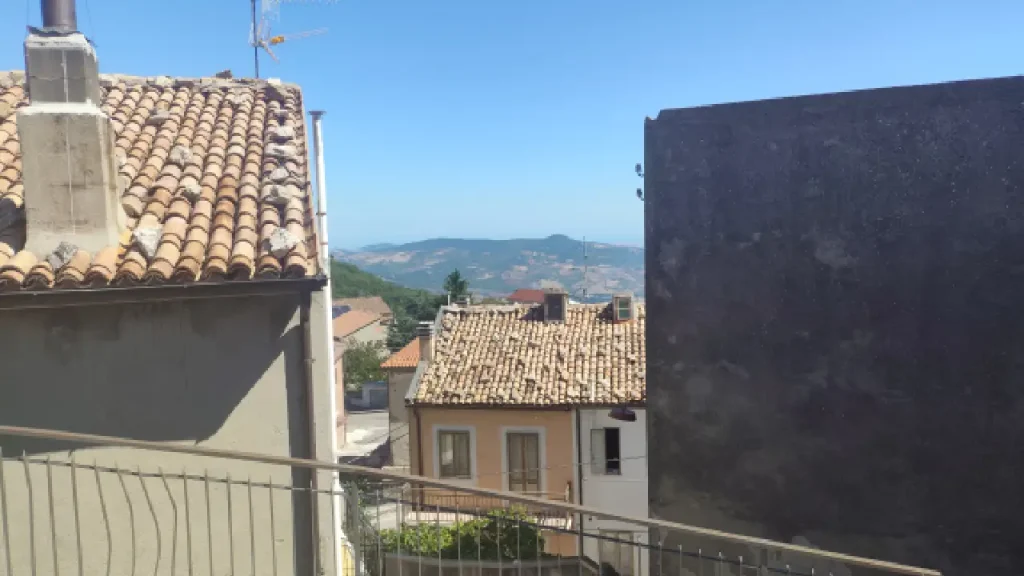
We bought the house in Torrebruna in February 2026. We are still in Malta.
That’s the part of this journey I didn’t see coming, emotionally. Not the deciding, not the searching, not even the losing — but this: having a front door that’s legally ours, on the other side of two borders, that neither of us has unlocked to actually live behind yet. We’re staying in Malta on purpose, seeing out our working years before we retire and relocate properly, rather than rushing a move we’re not financially ready for. It’s the right call. It’s also a strange one to sit inside of.
I’m 59 now, and lately I count things in months rather than years — living to 80 works out to roughly 960 months, and I know precisely how many of mine are already spent. That’s not a gloomy habit. It’s what turned “someday” into something with an actual shape. But it also means the waiting isn’t neutral. Every month the house sits empty is a month we’ve chosen to spend getting ready rather than getting there, and both of those things can be true — the right decision and a hard one to keep making — at the same time.
What ten years of this actually teaches you
Nobody warns you that the emotional journey of moving abroad is mostly waiting, not deciding. The deciding took an evening. The waiting has taken a decade, and it isn’t finished yet. If you’re in the middle of your own version of this — still comparing places, still talking yourself in and out of it, still not sure — I don’t have a tidy resolution to offer. Just this: the middle can last far longer than you expect, and it can still end somewhere good.
— Stephen